Blog

The brain, like the rest of the body, depends on steady fuel and proper maintenance. As people age, several common factors can quietly affect brain health. Older adults often eat less overall and may skip meals unintentionally. Protein intake frequently declines, even though protein needs remain the same—or increase slightly—with age. Intake of fiber, healthy fats, and key vitamins and minerals may also fall short. At the same time, sleep tends to become lighter or more fragmented. Physical activity often decreases. Thirst sensation weakens, increasing the risk of dehydration. Many older adults also take medications that affect appetite, digestion, or the absorption of nutrients. Individually, these changes may seem minor. Over time, however, they can contribute to low energy, irritability, low mood, confusion, slowed thinking, or forgetfulness, often without one clear cause.

Our personalized Top Up Care services provide extra support for patients in hospitals, retirement homes, long-term care facilities, and at home.
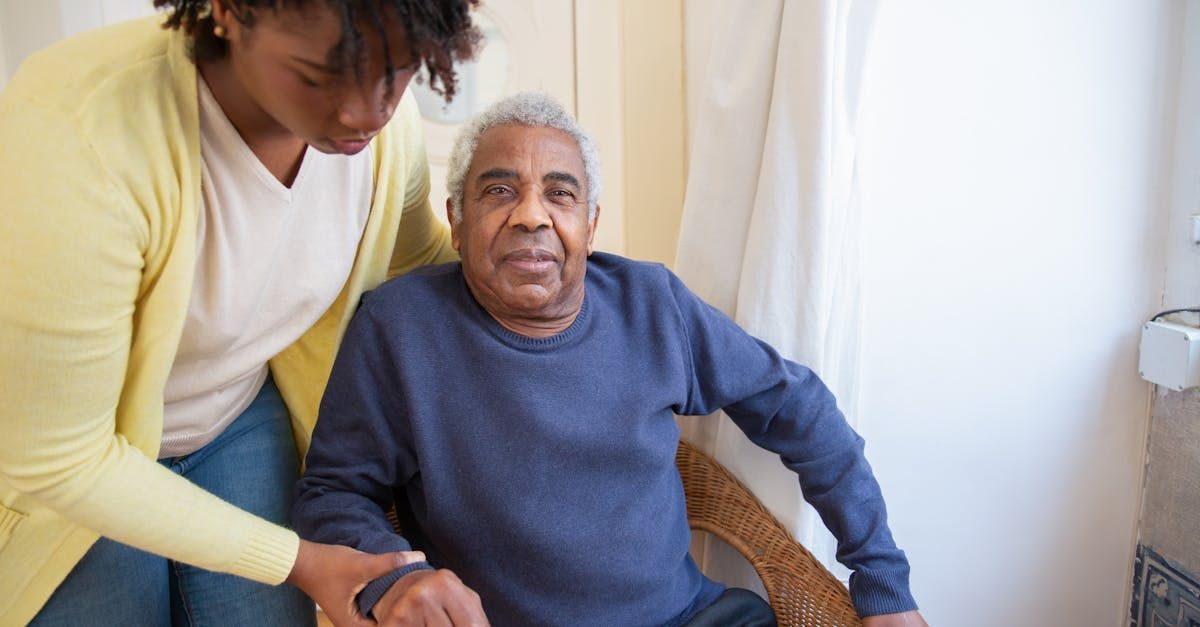
In an increasingly complex healthcare landscape, finding the right care for yourself or your loved ones can be challenging. Among all the options, private care stands out as a flexible, personalized solution that adapts to your individual needs.

Heat and humidity can pose serious health risks, especially for elderly adults. Older adults are more susceptible to heat-related illnesses due to various factors, including medical conditions, medication side effects, and decreased ability to regulate body temperature.

For those who have lost a parent, certain holidays can bring a fresh wave of grief and sadness. Mother's Day and Father's Day in particular are meant to celebrate the special bond between parent and child, but these occasions can feel incredibly painful after a parent's passing.
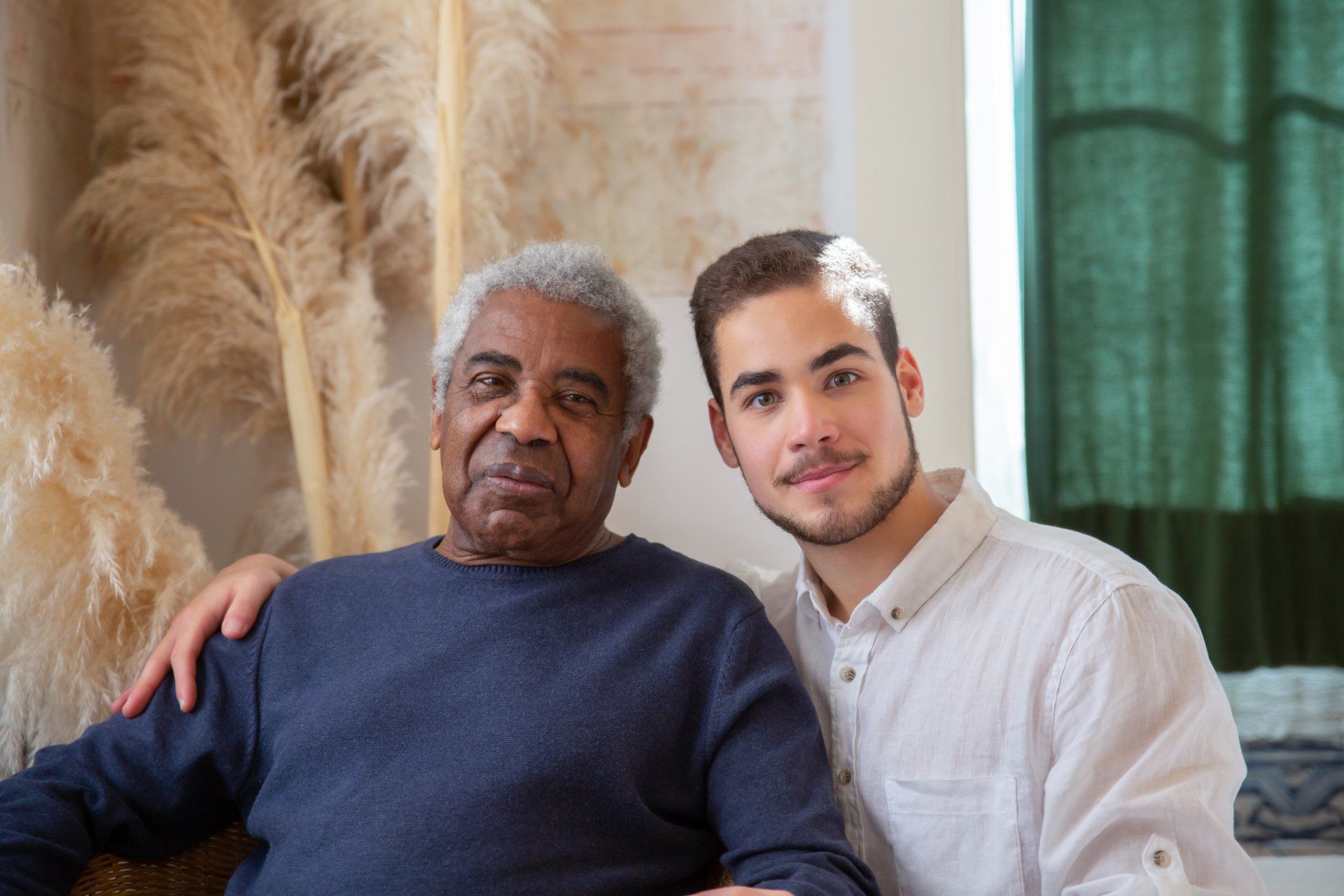
On April 2nd, as we celebrate National Caregiver Day, it's important to acknowledge the important work that caregivers do and how it impacts the lives of the people they care for.
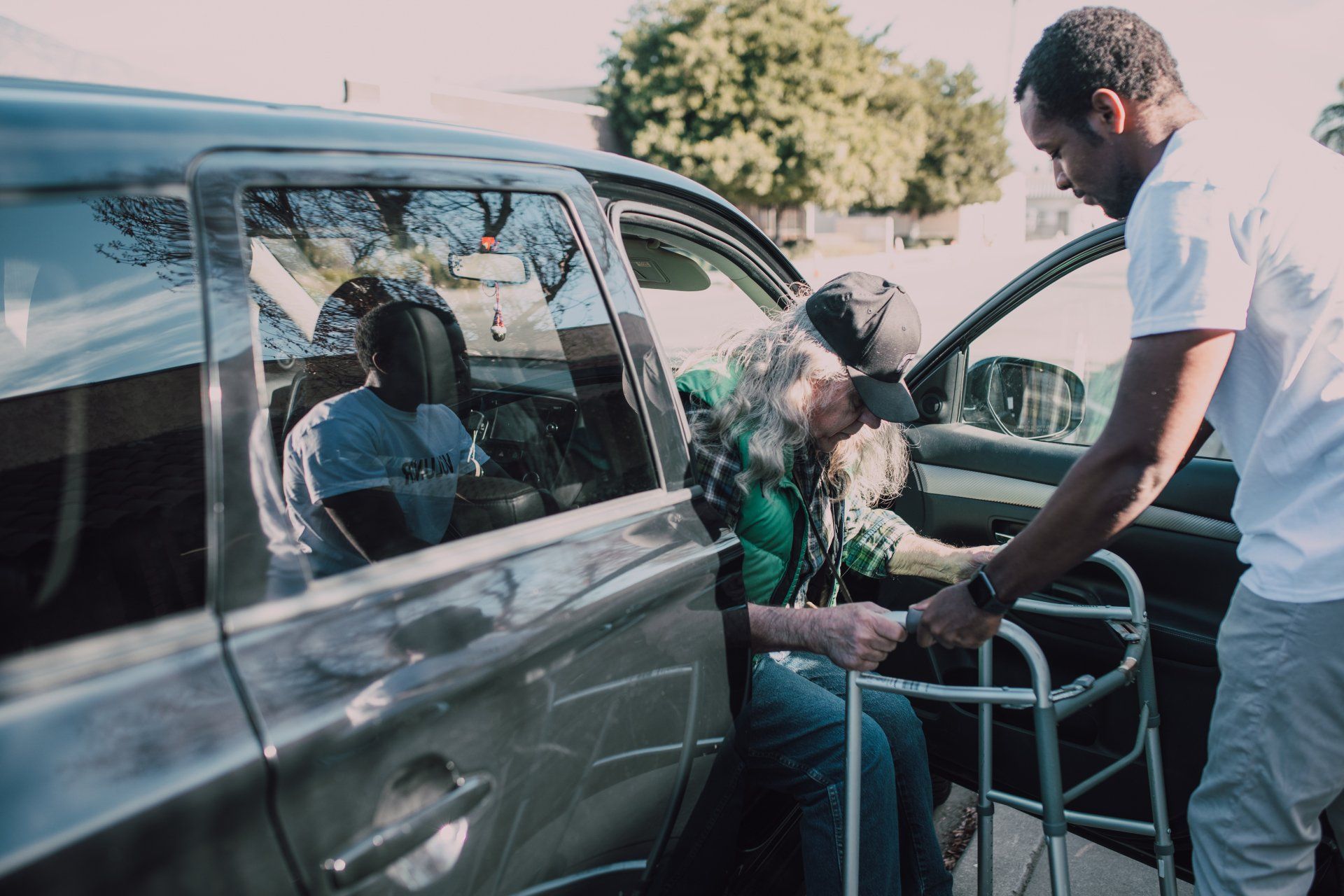
Aging can sneak up on us. While in our minds we are still young and spry, our bodies sometimes tell us a different story. And after age 65, one of the most common signs of aging we notice is that we become a little less steady on our feet.

If your loved one has Alzheimer’s or dementia, visits can be a challenge. Will they remember who you are? Will they even know you were there? What if they’re combative?

As our parents age, we may start to notice changes in their ability to manage day-to-day activities like shopping, paying bills and preparing meals. Some changes are physical, some are cognitive. As these changes progress, we realize that some tough decisions need to be made regarding their care.