Celebrating Grandparents this Thanksgiving
As we enter our second pandemic Thanksgiving, one thing we can all be thankful for - at least here in Ontario - is the loosening of restrictions on indoor and outdoor gatherings.
While last year had many of us celebrating Thanksgiving without our parents and other family members, this year will be different. As more of us are vaccinated and restrictions easing, we can once again have family over and grandparents can hug their grandkids.
The pandemic has taken its toll on all of us but seniors, especially, have suffered greatly from isolation from family and friends. As we get older, connecting with our families and friends becomes more important, especially for our mental and cognitive health.
Isolation and loneliness can have significant impacts on both physical and mental health in seniors. Eating and exercise habits are affected that can result in heart disease and other chronic issues. Depression can set in and studies show an
increased risk of dementia in seniors that suffer from loneliness.
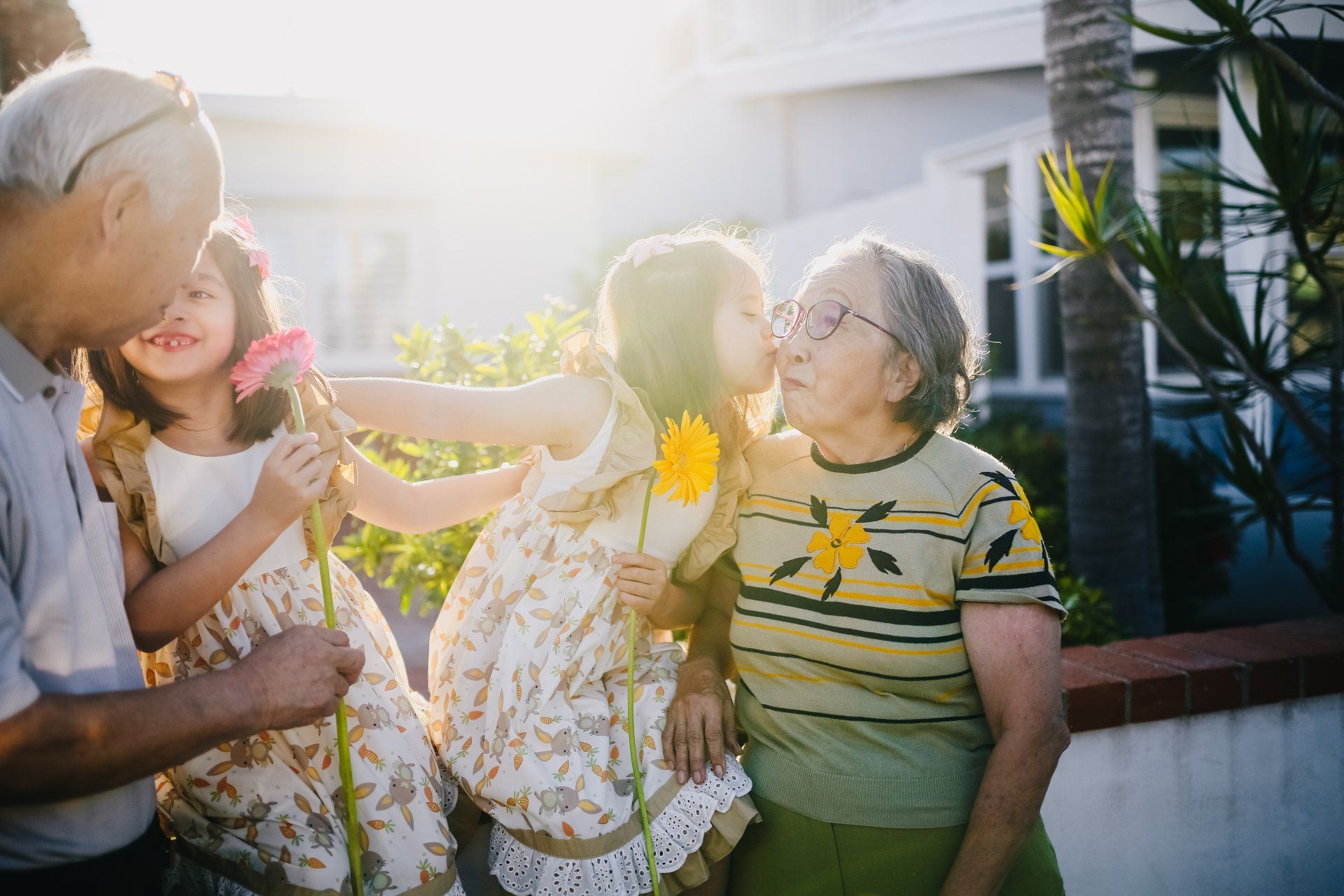
And being separated from grandkids is especially hard. There is a special bond between a grandparent and grandchild that is somewhat unique to our species. Many grandparents have made a significant investment in their grandkids from financial resources to babysitting to emotional support.
For children, grandparents help to give them a sense of history and traditions. This connection can also help to build a child’s self-esteem and stronger social skills, as well as better emotional stability.
For seniors, grandkids help them remain active and connected to society. And this in turn can help them stay healthier, both physically and cognitively. Studies show that
taking care of grandkids once a week can help women lower their risk of developing Alzheimer’s or other cognitive diseases.
So let’s take time this Thanksgiving to honour that special bond between grandparent and grandchild and to not take each other’s company for granted. If this pandemic has taught us one thing, it’s that time with family is precious.
Let’s still remain vigilant, however, and limit our gatherings as much as possible to keep our more vulnerable population safe.
And if you need help with grandma or grandpa over the holidays or have questions on how to manage gatherings with them, don’t hesitate to
give us a call. We’re here to help.